baby tooth cavity does it need a filling
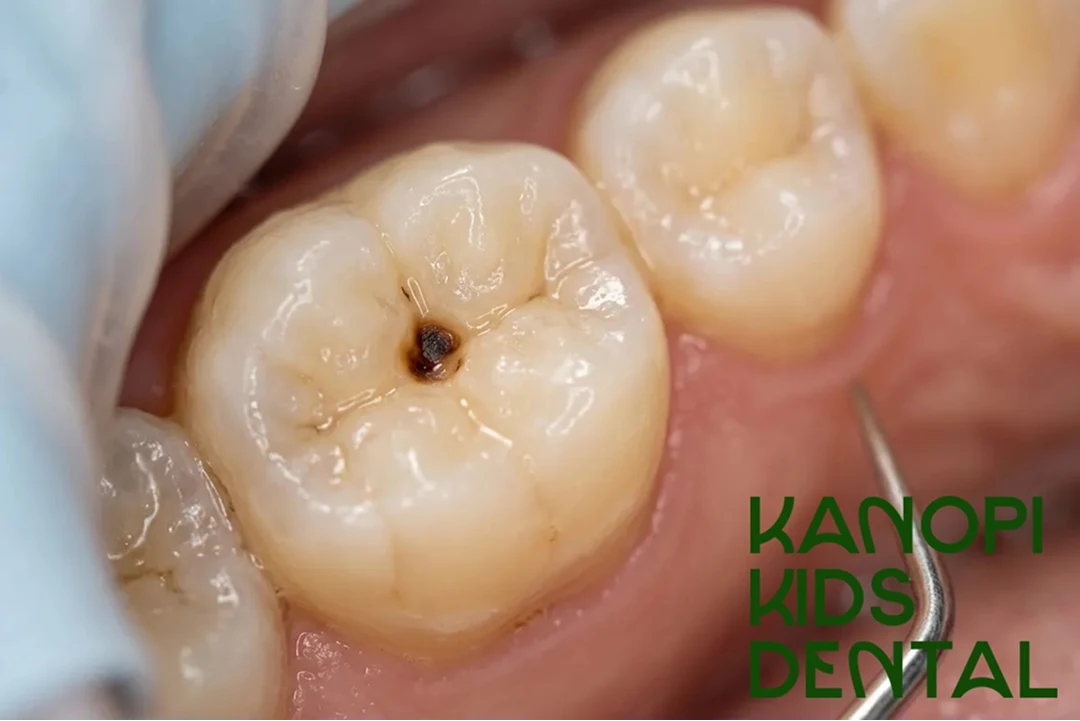
You are at a dental checkup and the dentist tells you your child has a cavity in a baby tooth. Your firstinstinct might be to wonder whether it really needs to be treated. After all, that tooth is going to fall outeventually anyway. Why go through the trouble and the cost of a filling for something temporary?
It is a completely reasonable question and one our team hears regularly from families across Antioch andthe surrounding East Bay. The answer depends on a few factors, but in most cases the answer is yes, itdoes need treatment. Here is why.
Baby teeth do a lot more than most parents realize. They help children chew and eat properly, support clearspeech development, and most importantly, they hold space in the jaw for the permanent teeth developingunderneath. When a baby tooth is lost too early because decay went untreated, the neighboring teeth candrift into the gap and block the adult tooth from coming in correctly. That can mean crowding, misalignment,and orthodontic treatment that could have been avoided.
Beyond the structural role, untreated cavities in children cause real pain. A child with an aching tooth eatsless, sleeps poorly, and has difficulty concentrating at school. Dental infections that start in baby teeth canalso spread and in rare serious cases affect the developing permanent tooth underneath or cause systemicillness.
You can read more about how our team approaches children's dental health at every stage on our pediatric dentistry.
Not every spot of early decay automatically requires a filling, but the window for watching and waiting isnarrower than many parents expect. Baby teeth have thinner enamel than adult teeth, which means decayprogresses faster. A small cavity that might take years to worsen in an adult tooth can reach the nerve of ababy tooth within months.
Yes, in some specific situations. If the decay is caught at the very earliest stage, a white spot lesion on thesurface of the enamel that has not yet broken through, it is sometimes possible to remineralize the area withprofessional fluoride treatments and improved home care. This is only an option when the lesion is trulysuperficial and the child is cooperative enough to maintain excellent brushing and dietary habitsconsistently.
If a back baby molar with a small cavity is going to naturally fall out within the next six to twelve months andthe child is not experiencing any pain or sensitivity, a dentist may recommend monitoring rather thanimmediate treatment. This is a case by case decision that depends on the specific tooth, the child's age,and the extent of the decay as seen on X-ray.
These exceptions are narrower than most parents hope. The reality is that most cavities found at a routinecheckup have already progressed past the earliest stage by the time they are visible, and waiting generallyresults in more extensive treatment rather than less.
For most children, a filling in a baby tooth is a straightforward appointment. The area is numbed with atopical gel first and then a local anesthetic so the child does not feel anything during the procedure. Thedecayed portion of the tooth is removed and the space is filled with a tooth-colored composite resin or insome cases a stainless steel crown if the decay is extensive.
For children who are very young, very anxious, or need multiple teeth treated at once, sedation dentistrycan make the whole experience significantly easier and more comfortable. Our Kanopi Kids team discussesall options with parents before any treatment begins so the family can make an informed decision aboutwhat is right for their child.
The appointment typically takes 30 to 60 minutes depending on how many teeth are being treated. Mostchildren do very well and are back to their normal routine the same day.
Silver diamine fluoride, or SDF, is a liquid treatment that can stop the progression of active decay in babyteeth without drilling. It is applied directly to the cavity in a quick, painless appointment with no anestheticneeded. The tradeoff is that it permanently stains the treated area black, which is less of a concern on backmolars but more noticeable on front teeth.
SDF is a good option in specific situations, particularly for very young or anxious children where a traditionalfilling would require sedation, or for cavities in teeth that are close to naturally falling out. It is not apermanent fix and the tooth will still need monitoring, but it can buy time and stop immediate progression effectively. Our team at Kanopi Kids will let you know whether SDF is an appropriate option for your child'sspecific cavity.
It depends on how advanced the decay is. If X-rays show the cavity is small and the tooth is genuinely closeto falling out, monitoring may be reasonable. But if the cavity is moderate to large, waiting a year is almostalways long enough for the decay to reach the nerve, which turns a simple filling into a much more involvedprocedure. A children's dentist can look at the X-ray and give you an honest answer about the risk of waitingin your child's specific case.
No. The tooth and surrounding area are fully numbed before any work begins. Children feel pressure butnot pain during the procedure. For very young or anxious children, nitrous oxide or sedation can be addedto make the experience easier. Most children are surprised by how manageable it actually is compared towhat they imagined.
Yes. Medi-Cal and Denti-Cal cover fillings and other restorative treatment for children's teeth. Kanopi Kidsaccepts both Medi-Cal and Denti-Cal and our team will verify your child's coverage before any treatment soyou know exactly what to expect.
A stainless steel crown is a pre-made metal cap that covers the entire tooth. It is used when decay is tooextensive for a filling to reliably restore the tooth, or when a pulpotomy has been performed. Stainless steelcrowns are very durable, last until the baby tooth naturally falls out, and require less chair time than a largecomposite filling. They are covered by Medi-Cal when clinically indicated.
Brush twice a day with a fluoride toothpaste, floss once teeth are touching, limit sugary drinks and snacksbetween meals, offer water as the main between-meal drink, and keep up with regular dental checkups. Forchildren under 7, Medi-Cal covers visits every three months, which gives the dental team the opportunity tocatch any new decay at its earliest and most treatable stage.
Serving Antioch, Brentwood, Oakley, Pittsburg, Discovery Bay, Bay Point, and surrounding Contra Costa County. We accept Medi-Cal, Denti-Cal, and most major insurance plans.
kanopikids.com | 3110 Buchanan Rd, Suite B, Antioch, CA | (925) 281-4893
 (925) 281-4893(925) 281-4893(925) 281-4893(925) 281-4893(925) 281-4893(925) 281-4893