pediatric dentist Antioch, children's teeth alignment, stop thumb sucking, pacifier teeth child, kids orthodontics
If your toddler still sucks their thumb or relies on a pacifier to fall asleep, you are not alone. At Kanopi Kids,our Antioch pediatric dentistry team hears this question from parents almost every single week. The goodnews is that thumb sucking and pacifier use are completely normal parts of early childhood. The keyquestion most parents actually want answered is when these habits start to affect a child's teeth, and whatto do about it.
Yes. Sucking is a natural reflex that babies and toddlers use to feel calm and secure. Most children naturallystop thumb sucking and pacifier use somewhere between ages 2 and 4 on their own, without anyintervention from parents or a pediatric dentist. As long as the habit fades by then, it typically has no lastingeffect on tooth alignment or jaw development.
The concern at Kanopi Kids is not the habit itself, it is how long it continues and how intensely the childsucks. Once permanent teeth begin coming in, typically starting around age 6, prolonged thumb sucking orpacifier use can begin to affect the position of teeth and the shape of the jaw. The most common issues ourpediatric dentistry team sees include an open bite, where the front teeth do not meet when the mouth isclosed, and changes to the roof of the mouth from repeated pressure.
Signs a habit may be affecting your child's teeth include:
Pacifiers are generally easier to manage than thumb sucking because a pacifier can simply be taken awayor phased out gradually. A thumb is attached to your child, which makes the habit harder to interrupt andoften longer-lasting. Our pediatric dentists at Kanopi Kids typically recommend that if a pacifier habit needsto be broken, start that process before age 3 to give your child's teeth the best chance to self-correctnaturally.
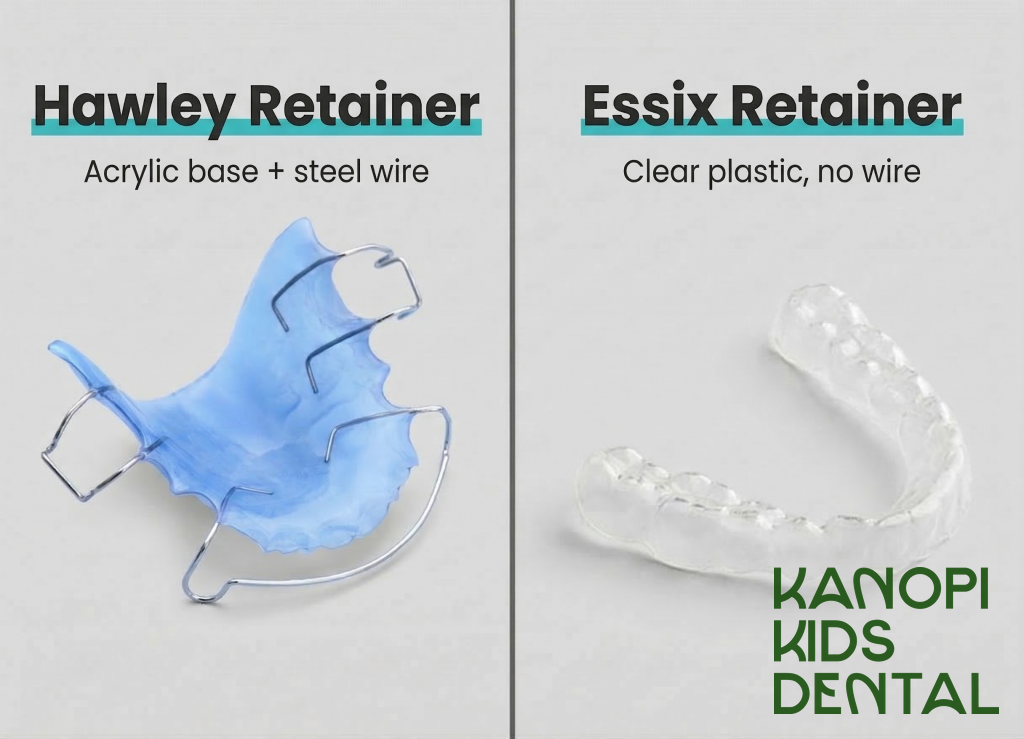
If these strategies are not working by age 4, it is a good time to bring it up at your child's next pediatricdentistry visit. Our team at Kanopi Kids can check whether any changes to the teeth or jaw are starting tooccur and recommend next steps, which may include a simple oral appliance designed specifically todiscourage the habit.
If thumb sucking or pacifier use continues well past age 4 or 5, especially once permanent teeth starterupting, it can lead to alignment issues that may eventually require orthodontic treatment. This is exactlywhy early pediatric dentistry checkups matter so much. Catching a habit early, before permanent teeth areaffected, is far simpler than correcting tooth movement after the fact.
At every pediatric dentistry visit, our team checks for early signs of bite issues related to thumb sucking,pacifier use, and other oral habits. We give every Antioch family practical, judgment-free guidance based onyour child's specific development, not a one-size-fits-all timeline. If you are wondering whether your child'shabit is something to watch or something to address now, that is exactly the kind of question we are herefor.
kanopikids.com | 3110 Buchanan Rd, Suite B, Antioch, CA | (925) 281-4893
 (925) 281-4893(925) 281-4893(925) 281-4893(925) 281-4893(925) 281-4893(925) 281-4893